

Language
en


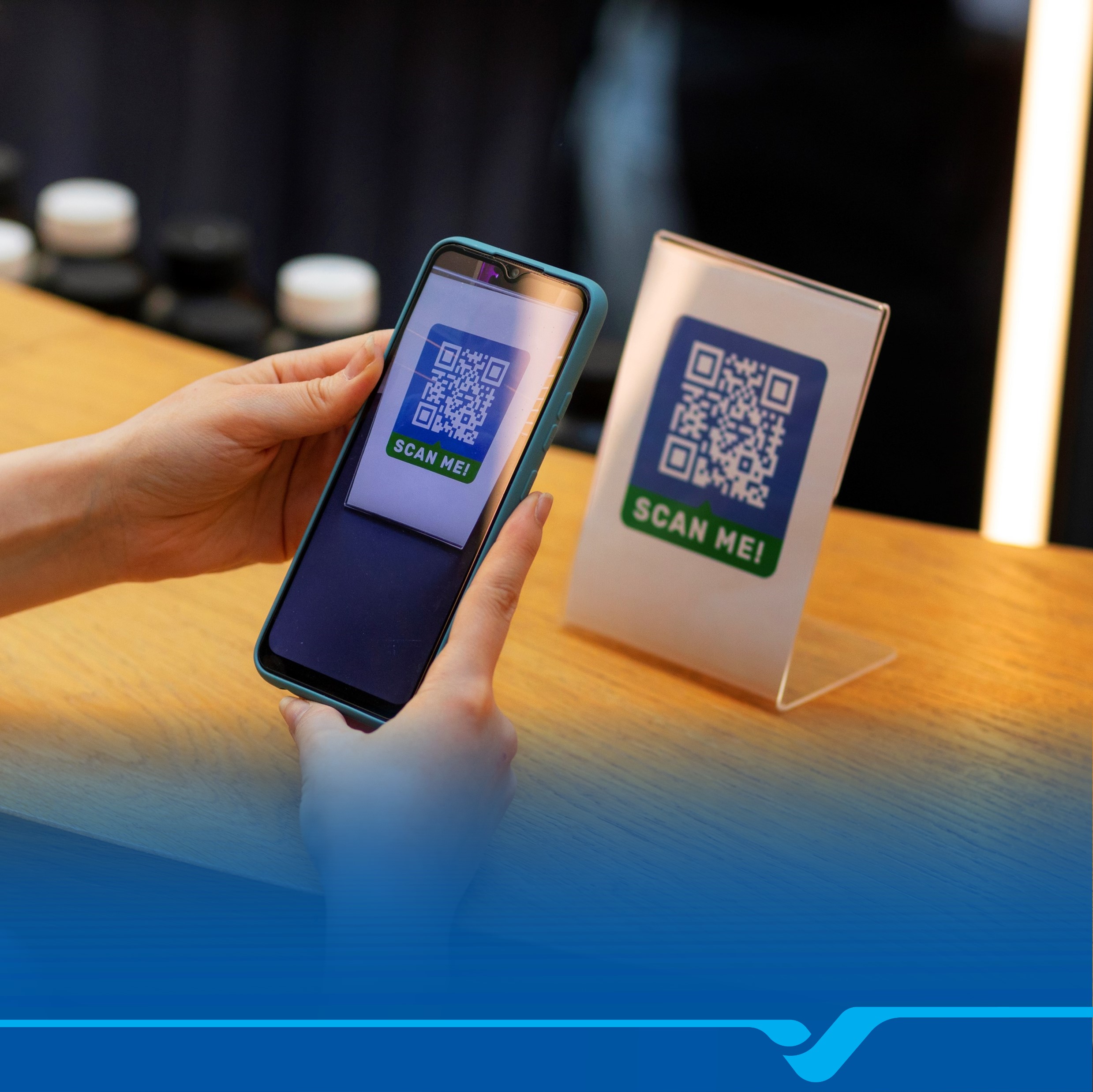
Over the past decade, QR payments have evolved from an alternative payment method into a core component of digital payment infrastructure across many markets.
According to the QR Code Payment Market - Global Strategic Business Report, the global QR payment solutions market reached USD 14.7 billion in 2024 and is projected to grow to USD 38.2 billion by 2030, representing a 17.2% compound annual growth rate (CAGR). The United States remains the largest market, valued at USD 3.9 billion, while China is expected to reach USD 5.9 billion by 2030. Meanwhile, Japan, Canada, Europe and several Asia-Pacific economies continue to invest heavily in QR infrastructure as a strategic layer of their digital payment ecosystems.
This momentum reflects more than changing consumer behavior. The widespread adoption of smartphones and digital wallets has made QR payments a routine part of everyday transactions. The COVID-19 pandemic further accelerated the shift toward contactless payments, creating lasting changes in how consumers pay.
For merchants, QR payments offer a significantly lower-cost alternative to traditional POS terminals, lowering the barrier to digital acceptance for SMEs and micro-merchants. At the same time, governments across many markets continue to promote QR payments as part of broader financial inclusion initiatives and national cashless economy strategies.
Together, these factors have elevated QR payments beyond a payment option into a foundational layer of modern payment infrastructure.
As domestic QR ecosystems become increasingly mature, the next phase of competition is shifting beyond merchant acceptance and user acquisition.
The focus is now on interoperability.
The latest wave of innovation reflects this transition. Dynamic QR codes, biometric authentication and AI-powered fraud detection are strengthening transaction security, while NFC integration, 5G connectivity and blockchain technologies are improving speed, privacy and user experience.
More importantly, cross-border interoperability is emerging as the industry's strategic priority. Instead of requiring users to download new applications or adopt different payment methods abroad, payment providers are working toward enabling consumers to pay overseas using the same digital wallet or payment app they already use at home.
For fintech companies, payment service providers (PSPs) and digital wallets, this represents more than a technology upgrade. It creates opportunities to unlock new cross-border transaction volumes while extending customer lifetime value beyond domestic markets.
Vietnam illustrates this trend particularly well. In 2025, QR payment transaction value grew by 124.06% year over year, while transaction volume increased by 50.94%. Supported by a merchant acceptance network spanning millions of QR-enabled merchants nationwide, QR payments have become one of the country's most widely adopted retail payment methods.
More importantly, Vietnam's QR ecosystem is expanding beyond domestic use cases. By April 2026, VIETQRGlobal, the cross-border QR initiative developed by NAPAS in collaboration with banks and payment intermediaries, had established connectivity with five markets: Thailand, Laos, Cambodia, China and South Korea.
This marks Vietnam's transition from a fast-growing QR market into an increasingly connected participant within the regional payment ecosystem.
Alongside national infrastructure initiatives, Vietnamese fintech companies are also developing solutions that simplify cross-border connectivity for international partners.
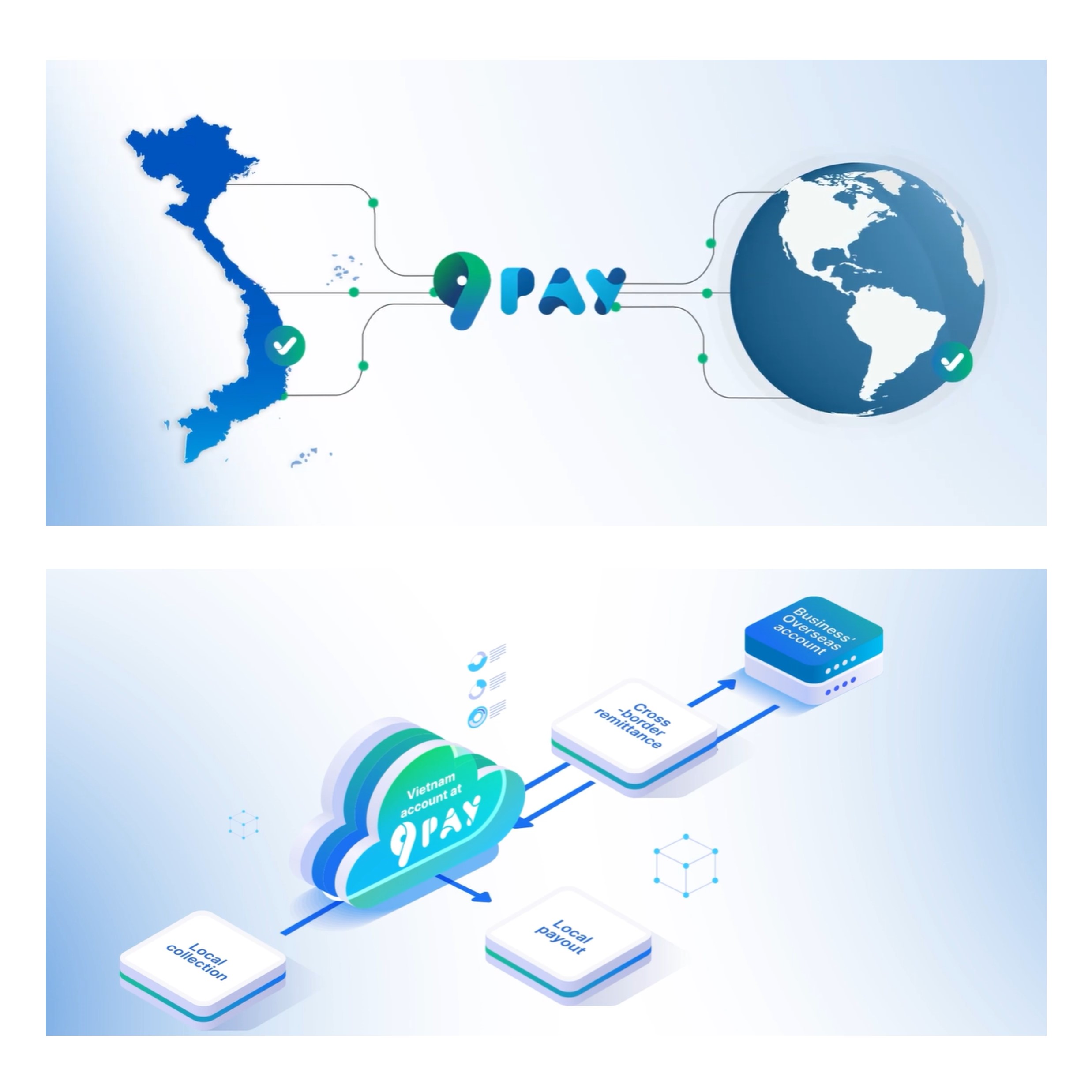
One example is ScanOn (Scan-to-Pay), developed by 9Pay. Rather than requiring international PSPs or digital wallets to establish their own merchant acceptance infrastructure in Vietnam, ScanOn leverages the country's existing domestic QR network to enable direct connectivity with overseas wallets.
This approach allows international visitors to continue paying with the payment apps they already know, while enabling global payment providers to expand into the Vietnamese market with significantly lower integration costs and faster time-to-market.
As interoperability becomes a key competitive differentiator, solutions like ScanOn demonstrate how fintech innovation can go beyond enabling cross-border payments to accelerating ecosystem expansion for international payment providers.
The evolution of QR payments reflects a broader shift in how payment ecosystems compete.
In an increasingly interconnected payments landscape, competitive advantage will no longer belong solely to the largest ecosystems. Instead, it will belong to those capable of extending their users' payment experience beyond national borders, creating truly seamless global payment journeys.
MAYBE YOU ARE INTERESTED

 Promotion news